





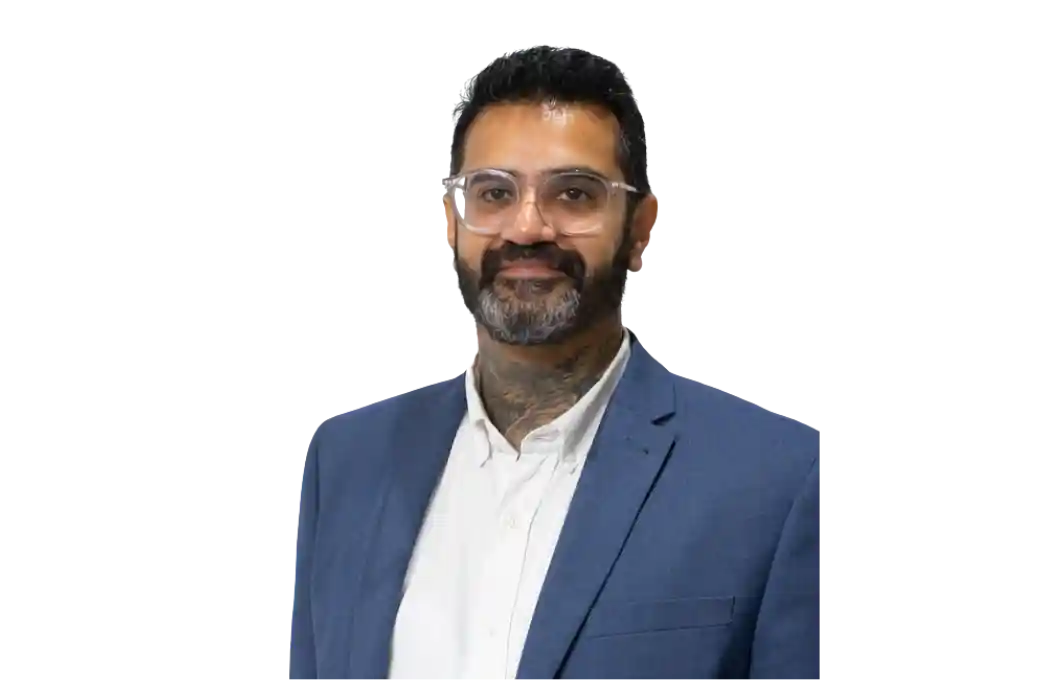
Harry Akram
BSc (Hons) Audiology, BAA, AHCS, HCPC, RHAD
Harry brings a wealth of expertise across audiological assessment, rehabilitation and patient care.



Your appointment is carried out by trained hearing care professionals who understand ear health, hearing and patient comfort — not by a sales-led clinic.
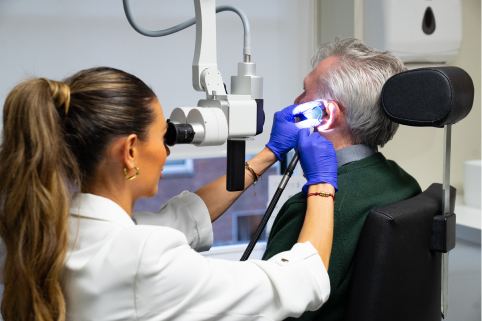
Microsuction is a dry procedure, avoiding the mess and discomfort often associated with water-based ear irrigation.
Pindrop’s patient-first approach means you are listened to, talked through the process, and cared for at a pace that feels right for you.
Pindrop Hearing was founded by Dr Rony Ganguly and is built around evidence-based audiology, high clinical standards and purpose-built clinics with advanced equipment.
“A superb service all round, I would highly recommend. I attended the clinic in Winchmore Hill N21 because my ear was blocked. The staff were so kind and considerate and the microsuction was easy and painless and completed within 10 minutes. I was very impressed and would highly recommend”
Andrew Wood, March 2025
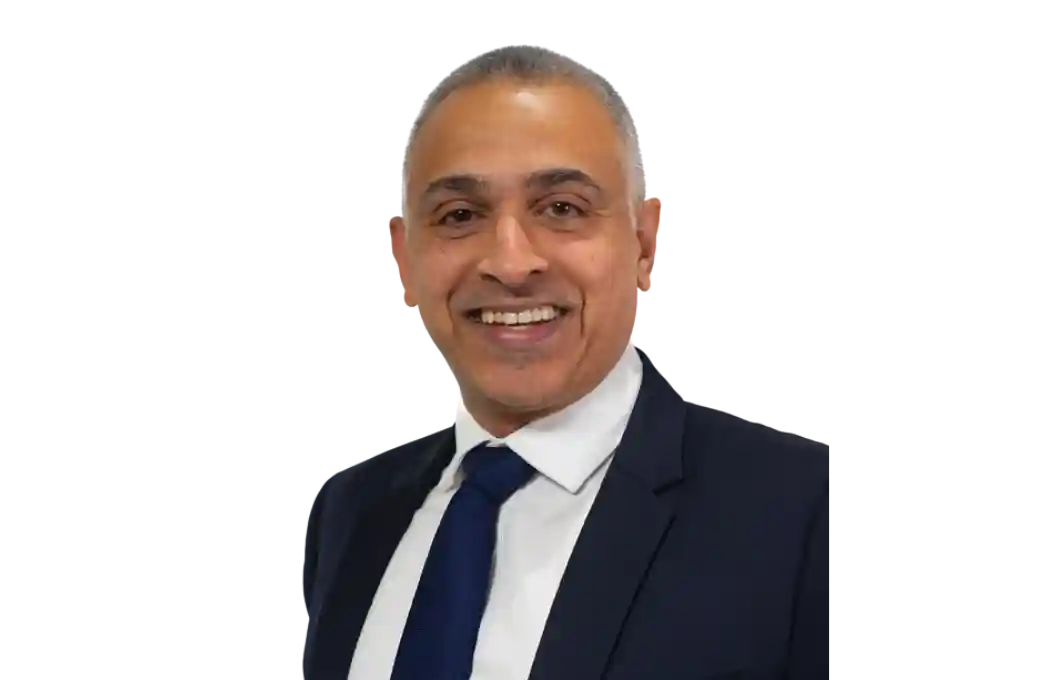
Director
Unlike many high-street providers, Pindrop Hearing was founded and is led by a fully qualified Doctor of Audiology with decades of hospital and university experience. Your ear health is assessed by practitioners trained to the highest clinical standards.
Choose a time that suits you and we will take care of the rest. There is nothing to pay today, and if you need any help, please call us on 0207 487 2660.
Book now, pay later – payment is only due at your appointment.
Find an available appointment slot.
Contact our team and we’ll help you find an appointment that works.
With over 50 years of combined experience across the NHS, ENT and private practice, our team focuses on accurate diagnosis and clear explanations.
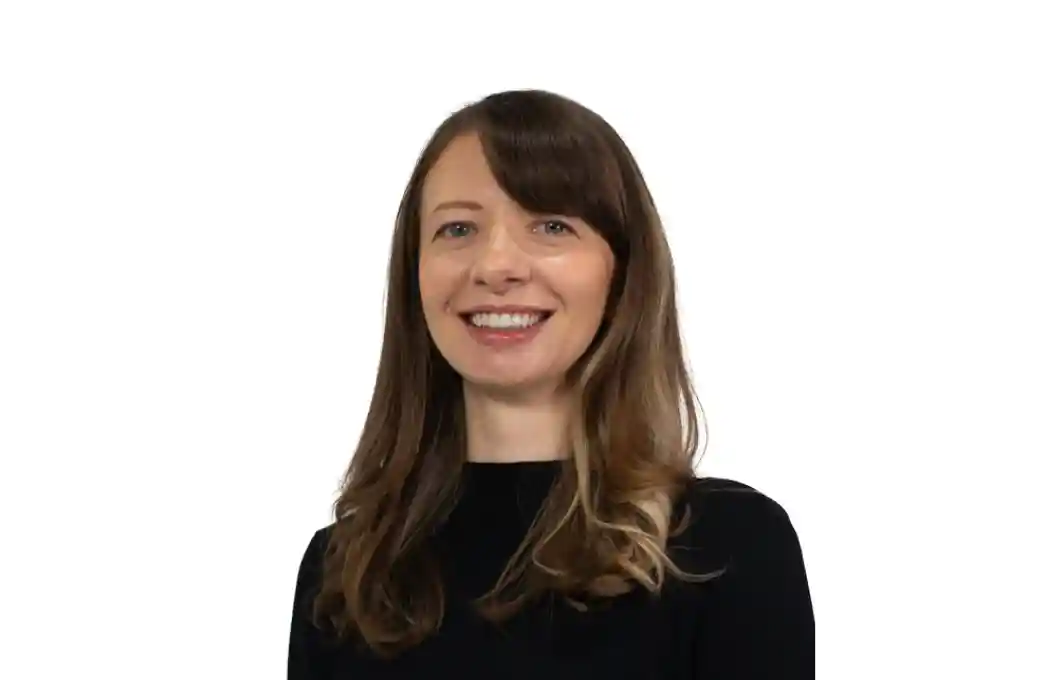
BSc (Hons) Audiology, BAA, AHCS, HCPC, RHAD
Harry brings a wealth of expertise across audiological assessment, rehabilitation and patient care.
BSc Audiology (Hons), RHAD
Elizabeth is an experienced Audiologist, graduating with highest honours from the University of Leeds.

BSc (Hons) Audiology,BAA,BSHAA, AHCS, HCPC
Elizabeth is an experienced Audiologist, graduating with highest honours from the University of Cape Town

BSc (Hons) Biomedical Science (First Class), MSc Physician Associate Studies (Distinction)
Yasmin is an experienced Audiologist, graduating with highest honours from the University of Roehampton

BSc (Hons) MSc, RHAD
Sara completed her Master's degree in Audiology at University College London.
Microsuction ear wax removal is quick, safe, and effective — but we know you may still have questions. Here are some of the most common ones we get from patients before their appointment.
Microsuction is a safe and modern method that uses gentle suction to remove ear wax while the clinician watches through a microscope. It’s clean, quick, and doesn’t use water.
Yes. Unlike syringing (also known as irrigation), microsuction doesn’t involve flushing water into the ear. It’s generally more comfortable, causes less mess, and has a lower risk of infection or complications.
No — most patients find it completely painless. You may feel a slight tickling or suction sensation, but it’s over quickly and without discomfort.
The time allocated for the appointment is 30 minutes. Our aim is to complete the procedure fully and successfully in this time, which is the outcome in the vast majority of cases. If, however, the procedure cannot be completed in this time, due to very hard, impacted or stubborn wax, then a second appointment may be booked to complete the procedure. If a second, or follow up appointment is required, this will be charged at a reduced rate of £50.
It’s not always necessary, but softening the wax with olive oil drops for a few days before your appointment can make the process easier and faster.
Yes, but we recommend contacting us first to confirm suitability. Our clinicians are experienced and trained to treat both adults and children. The minimum age is 5 years old.
Yes — microsuction is generally considered one of the safest ear wax removal methods for patients with a perforated eardrum or a history of ear surgery because it does not involve introducing water into the ear canal. At Pindrop Hearing, your ears are carefully assessed before treatment to ensure the safest approach is used for your individual circumstances.
In most cases, yes. Microsuction is widely used for patients with tinnitus and is generally considered safe when performed by a qualified clinician. Some people notice temporary changes in tinnitus perception immediately after treatment due to the ear canal suddenly being clear again, but this usually settles quickly. Your clinician can discuss any concerns before treatment begins.
There is no set rule for ear cleaning because everyone produces ear wax differently. Some people may only need ear wax removal every few years, while hearing aid users or people who naturally produce more wax may benefit from treatment every 6–12 months. Your clinician can advise you based on your ear health and wax build-up.
Recurring ear wax build-up is common, particularly in people who wear hearing aids, use earphones regularly, or naturally produce excess wax. If your symptoms return quickly after treatment, we can help you create a longer-term ear care plan and advise on safe ways to manage wax build-up between appointments.
Yes — many patients notice that sounds seem sharper or louder immediately after ear wax removal because their hearing is no longer blocked. This adjustment is completely normal and usually settles within a short time as your ears adapt again to clearer hearing.
Many GP surgeries across the UK have reduced or stopped routine ear wax removal services due to NHS resource pressures and changing commissioning guidelines. As a result, many patients now choose private ear wax removal clinics like Pindrop Hearing for faster access to professional treatment without long waiting times.
Some private health insurance providers may contribute towards ear wax removal or related audiology services depending on your policy. We recommend checking directly with your insurer before your appointment. If needed, we can provide invoices or supporting documentation for your claim.

Pindrop Hearing Limited is registered in England and Wales No 05909296 Trading address 41 Harley Street, London, W1G8QH. Pindrop Hearing Limited acts as a credit broker and only offers credit products from Tabeo.
Pindrop Hearing Limited is authorised and regulated by the Financial Conduct Authority. Our registered number is 796909. Credit subject to age and status.
© Pindrop Hearing 2026